Veterans may face unique challenges when transitioning to civilian life, coping with traumatic experiences, or managing ongoing mental health concerns. For some, these difficulties may overlap with substance use. Recovery resources can help veterans and their loved ones explore treatment options, access mental health support, and connect with communities that understand their experiences.
A member of our admissions team will reach out — no obligation, no voicemail left without your permission.
Confidential & HIPAA-compliant. We never share your information, and we’re here 24 hours a day, 7 days a week.



Experiences during military service can affect emotional well-being long after service ends. Trauma, chronic stress, sleep difficulties, and physical pain may contribute to challenges with mental health or substance use. Understanding how these concerns can overlap is an important step toward finding care that addresses the whole person.
Veterans deserve care that recognizes their experiences, individual needs, and personal goals. Mental health professionals and veteran-focused organizations can help individuals explore support for post-traumatic stress disorder (PTSD), depression, anxiety, and other concerns. Seeking help is a personal decision and an important option for anyone who needs additional support.
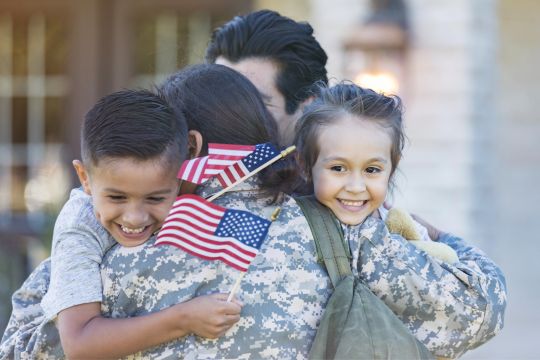

Leaving military service can bring significant changes to a veteran’s identity, daily routines, relationships, and sense of connection with others. Adjusting to civilian life may involve finding new sources of purpose, establishing different routines, and learning to navigate environments that feel unfamiliar after years of military service. For some veterans, these transitions may also affect their sense of belonging or make it more difficult to maintain social connections. Peer support programs can provide opportunities to connect with others who understand the unique experiences of military service and the challenges that may come with transitioning to civilian life.
Community programs can also help veterans build new relationships, explore meaningful activities, and become more connected to their local communities. Professional services may offer additional guidance and support as veterans work through personal challenges and identify resources that align with their needs. Family members and other loved ones can play an important role by listening, offering encouragement, and creating a supportive environment without placing pressure on veterans to adjust within a particular timeframe.
Veterans and first responders may experience stress, trauma, and other challenges that contribute to substance use. Finding appropriate support can help individuals explore treatment options, strengthen relationships, and work toward recovery.
To learn more about addiction resources for veterans and first responders, visit these organizations:
Exposure to traumatic events, demanding work environments, and military service can affect mental well-being. Access to appropriate mental health services can help veterans and first responders address emotional challenges, process trauma, and find support for co-occurring mental health and substance use concerns.
To learn more about mental health resources for veterans and first responders, visit these organizations: