Royal Life Centers is dedicated to providing comprehensive care for individuals struggling with drug addiction.
A member of our admissions team will reach out — no obligation, no voicemail left without your permission.
Confidential & HIPAA-compliant. We never share your information, and we’re here 24 hours a day, 7 days a week.


Drug addiction, clinically known as substance use disorder, is a medical condition in which a person keeps using drugs despite the harm it causes. It can affect anyone, and it often damages health, relationships, work, and finances. With professional care, recovery is achievable. Our team provides personalized, evidence-based treatment that addresses both the substance use and the underlying causes behind it.
Repeated drug use changes how the brain handles pleasure, motivation, and decision-making. Over time, the brain begins to rely on the substance, which produces intense cravings and makes it hard to stop even when someone wants to. Addiction can involve prescription medications, such as opioids and benzodiazepines, as well as illicit drugs like cocaine, methamphetamine, and heroin. It is not a matter of willpower or character. It is a treatable health condition, and the sooner it is addressed, the better the outcome tends to be.

Posted on Google
 okay russell
Trustindex verifies that the original source of the review is Google.
Been twice. Best place to go to. Heard many people say theyve been to multiple rehabs and that this was the best one. Staff genuinely genuinely cares and have personal experiences.Posted on Google Randall PickupThis place saved my life... I recommend this to whoever is struggling in life..Posted on Google
 Maria ToddI walked through those doors only focused on detox. I ended up staying 30 days, because of my roommate, staff and the vibe. Ty SCBH, for giving me my life back. I was drowning and you pulled me out the deep end. The staff was so empathetic and understanding. If you are struggling... go, learn and learn. What I've been given back is priceless. Check em out!Posted on Google
 Bradley RowlandGreat place to go good staff good medical attention would recommend to anyone seeking helpPosted on Google
 Nic KernSouth Coast is a wonderful place for any addict who needs help with their addiction. I had been in addiction for over 15 years and finally found my recovery solution with this facility. It was clean and very friendly. All of the facility, medical,and nursing staff were amazing and honestly listen to you. The groups were and people were so welcoming and informative about addiction and made me feel as though I wasn't an outcast for being an addict. I want to thank South Coast for being so gracious and caring to my addiction needs. If you are needing help with your addiction this is the place where you can find freedom from your disease of addiction and live happily in life. It definitely saved my life and now I get to be the Mother and Grandma my kiddos need!Posted on Google
 Riley MitchellMy mother-in-law was needing help with her addiction and this facility was a god send! She was very pleased with all the staff and told me all about how much she learned so much about herself and her addiction. Also, how all the facilitators, medical and nursing staff were so compationate and caring. She is now working a program and doing amazing. She credits South Coast for helping her get her life back on track.Posted on Google
 Adrian ThomasSouth coast has changed so many lives! I am so glad to had been a client an hospitality and groups were amazing I’ve learned so much a staff will prepare anyone with a willing mind to face addiction head on!! From the front desk to the kitchen you are met with genuine workers who knows the pain and suffering people go through. Highly recommend if you want change in your life -Adrian
No single cause explains addiction. It usually develops from a combination of genetics, brain chemistry, personal history, and environment. A family history of substance use, early exposure to drugs, and untreated mental health conditions all raise the likelihood that casual use will become dependence.
Other risk factors include trauma or chronic stress, easy access to drugs, peer pressure, and using medications such as painkillers for longer than prescribed. Having risk factors does not mean someone will develop an addiction. Knowing them does help families and individuals recognize problems early and get support before they escalate.
Using more often or in larger amounts than planned, or being unable to cut back despite repeated attempts.
Intense urges to use that are hard to ignore and can interfere with focus and daily tasks.
Needing more of the drug to get the same effect, which raises the risk of overdose.
Feeling sick, anxious, or irritable when the drug wears off, and using again to relieve those feelings.
Missing work or school, falling behind at home, or letting important obligations slide.
Frequent conflict, secrecy, or lying with loved ones, and pulling away from family and friends.
Driving under the influence, sharing needles, or taking dangerous risks to get or use drugs.
Noticeable weight changes, poor hygiene, sleep problems, or frequent unexplained illness.
Unexplained money problems, borrowing, debt, or run-ins with the law connected to drug use.
Using again even after seeing clear consequences to health, relationships, or career.
Drug addiction usually grows from several of these factors working together rather than any single one. That is why effective substance abuse treatment in OKC looks at the whole person, not just the substance.
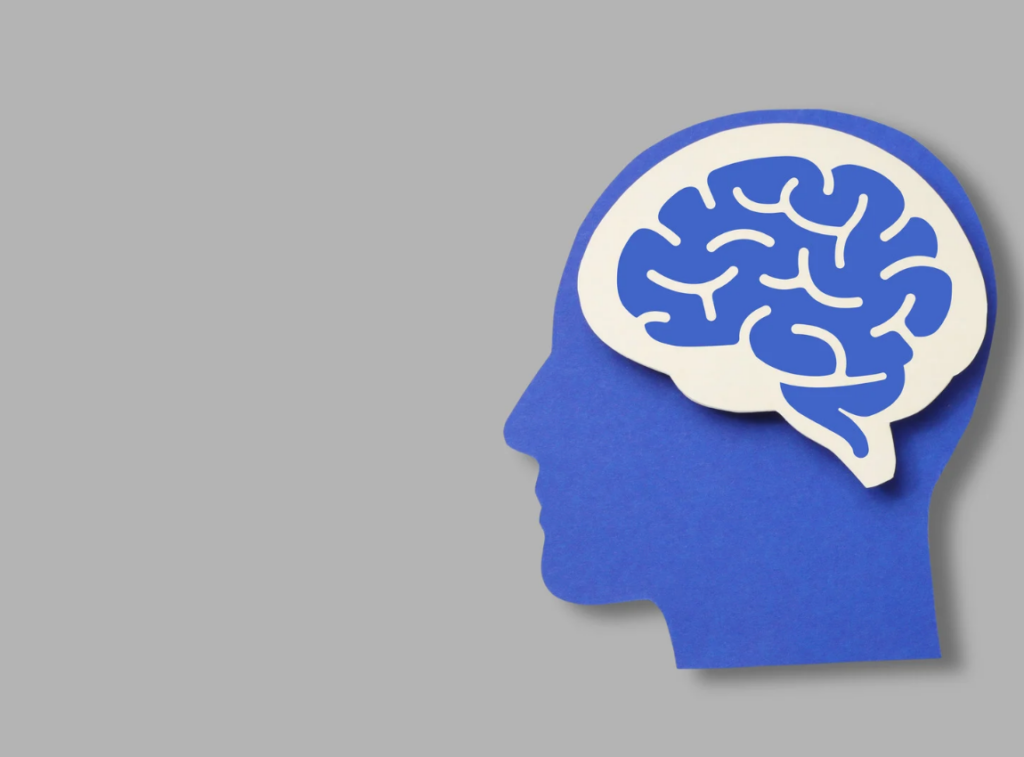
Drugs flood the brain’s reward system, and repeated use trains the brain to prioritize the drug over other needs.

Genes can make some people more vulnerable, particularly when addiction runs in the family.

Depression, anxiety, PTSD, and other untreated conditions that can complicate substance use can lead people to use drugs to cope.
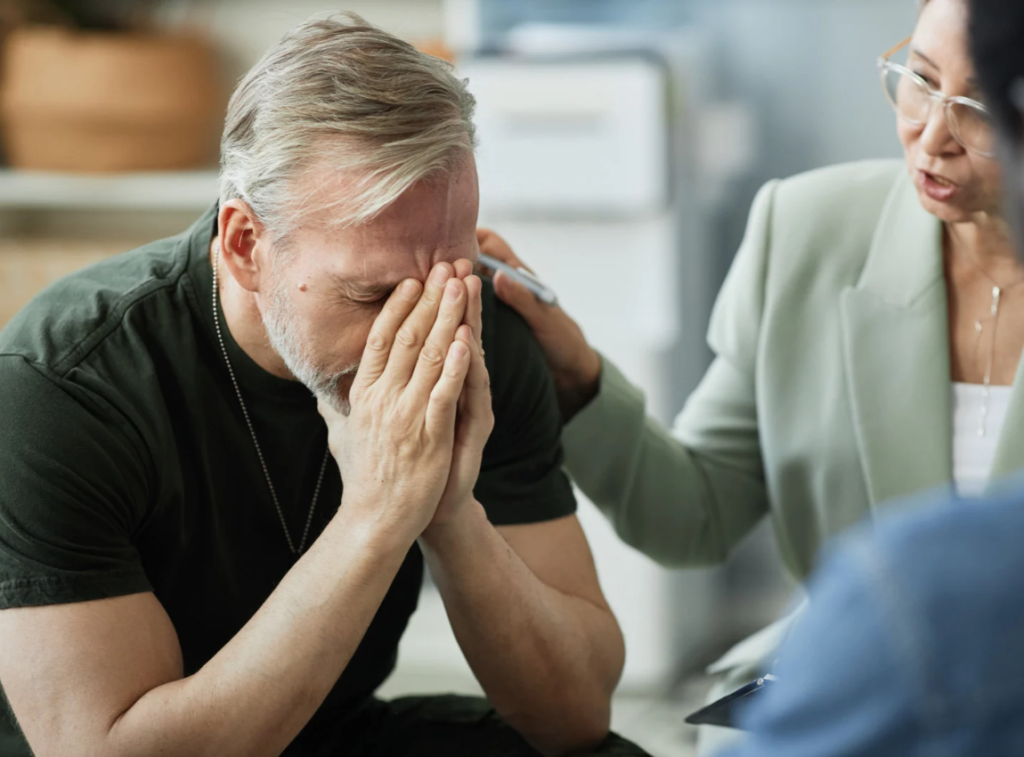
Painful experiences and ongoing pressure can push people toward substances for relief.

Easy access, social settings where drug use is normal, and unstable home or work conditions increase risk.
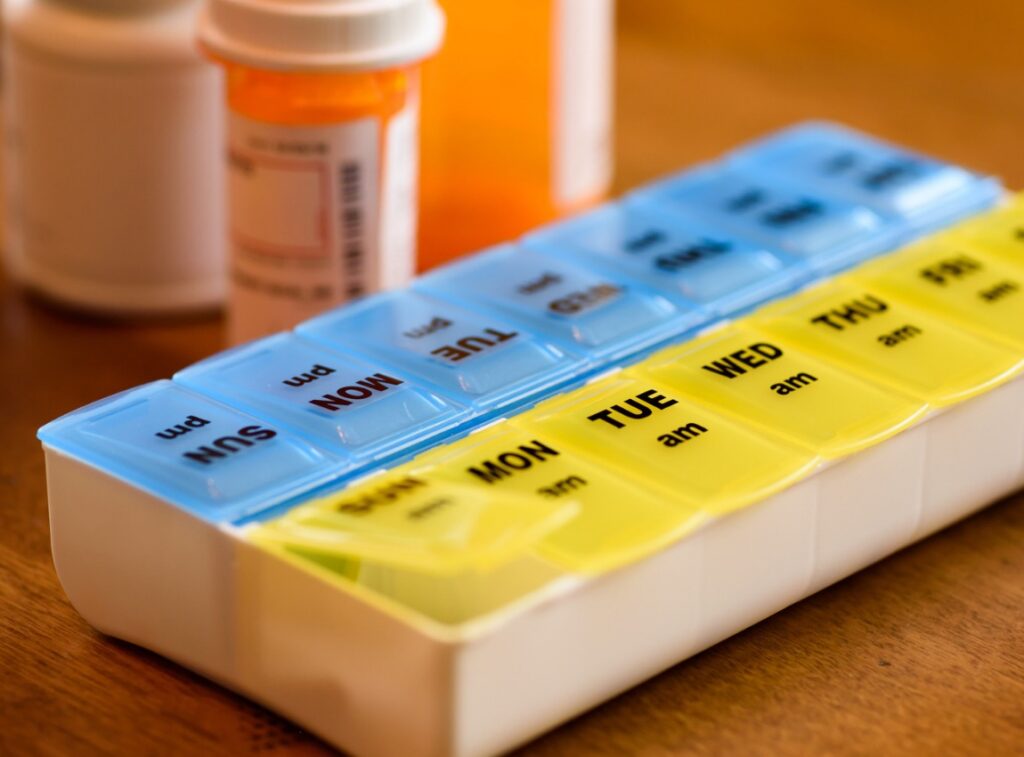
Opioids and benzodiazepines taken for legitimate reasons can lead to dependence, especially with long-term use.

If you have tried to quit or cut back and kept returning to use, professional support can help.
Physical or mental health problems linked to drug use are a clear sign it’s time to get help.
Falling performance, missed days, or lost jobs often signal that use has taken over.
If drug use is hurting your family, partner, or friendships, treatment can help repair that damage.
Arrests, charges, or DUIs related to drug use point to a problem that needs attention.
Spending on drugs, debt, and lost income can quickly spiral into financial crisis.
The length of treatment depends on the substance used, how severe the addiction is, and any co-occurring conditions. Detox usually takes several days to a week or more. Residential programs commonly run 30 to 90 days, and PHP and IOP can add several more weeks or months. Research generally shows that longer engagement in treatment leads to better results, so your care team will adjust your plan as you progress rather than following a fixed timeline. The right level of care may include detox, inpatient treatment, or outpatient treatment depending on substance use history and support needs. Treatment is built around each person’s substance, history, and needs. Most people move through several levels of care, starting with the most support and gradually stepping down as they stabilize.
Treatment is built around each person’s substance, history, and needs. Most people move through several levels of care, starting with the most support and gradually stepping down as they stabilize.
Clinicians review your substance use, medical history, and mental health, including any alcohol use disorder concerns when relevant, to create an individualized treatment plan.
Round-the-clock medical supervision helps you withdraw safely, with medication to ease discomfort where appropriate, and medical staff monitor symptoms closely during detox. If a higher level of withdrawal monitoring is needed, we may refer you to local detox centers.
A structured, live-in setting provides intensive therapy, medical care, and peer support during early recovery, similar to inpatient programs. Some people compare residential care with other local inpatient rehabs based on treatment history, withdrawal risk, and support needs.
Full days of treatment with the freedom to return home or to supportive housing at night.
Therapy and counseling several days a week on a flexible schedule that fits around work, school, and family. Outpatient rehab can also serve as a flexible step-down option after higher levels of care. Our outpatient programs help many people continue treatment while keeping up with work, school, and family responsibilities.
Ongoing counseling, support groups, alumni resources, and aftercare planning help you stay on track long after formal treatment ends. You’ll also build relapse prevention strategies and have access to ongoing support to help protect sobriety after formal care.
Royal Life Centers Oklahoma City offers a continuum of care within our treatment programs to individuals suffering from substance use and co-occurring disorders. Our Oklahoma City rehab center provides tailored treatment services to assist individuals in healing from addictions to drugs and alcohol through our comprehensive treatment programs. Our levels of care include:
24/7 monitored withdrawal management in a clinical, comfortable setting.
Live-in care with daily therapy, structure, and round-the-clock support.
Full-day treatment while you return home or to sober living each evening.
Several sessions a week, built around work, school, or family.
A supportive, substance-free home environment for the next stage of recovery.
Royal Life Centers Oklahoma City is dedicated to providing comprehensive, individualized drug addiction treatment with a holistic approach. Our treatment philosophy is rooted in research-based practices, compassionate care, and a commitment to addressing the physical, psychological, and emotional aspects of substance use disorder and addiction.
Guests are supported by a multidisciplinary team of professionals who collaborate to deliver integrated care throughout the recovery process. Here’s an overview of our approach and the levels of care and treatment options we offer:
Medically supervised detox allows guests to withdraw from substances safely while clinicians manage symptoms through medication management and keep them comfortable. This first stage stabilizes the body during drug and alcohol withdrawal and prepares individuals for continued treatment, whether that is part of alcohol addiction treatment or broader detox needs.
Our residential program offers a structured, supportive environment for early recovery, with a daily schedule that includes intensive therapy, medical care, peer support, and group therapy sessions. Guests also receive individual counseling and life skills support while working through addiction and its underlying causes.
PHP provides structured daytime treatment while allowing guests to return home or to a supportive living environment at night. It is a step-down from residential care that keeps comprehensive support in place.
IOP offers flexibility, letting guests keep up with work, school, and family while attending therapy sessions. Flexible outpatient care may also include peer support groups and long term support, helping guests stay connected to daily responsibilities. It is well suited to those with a stable living environment.
Addiction and mental health conditions often occur together, including cases where substance use involves alcohol addiction. Our integrated care treats both at the same time, which supports stronger and longer-lasting recovery.
Treatment combines proven approaches such as cognitive behavioral therapy, motivational interviewing, and evidence based therapy with holistic practices, all built into an individualized care plan that addresses the whole person. Depending on your needs, care may also include group therapy for peer support, addiction counseling tailored to your recovery goals, family therapy to help rebuild healthier communication, or art therapy as part of whole-person healing and personal growth.
Early symptoms begin as the drug leaves the body, often including anxiety, restlessness, sweating, and cravings.
Symptoms commonly intensify, with nausea, muscle aches, insomnia, and mood swings. Medical monitoring is especially important here.
Physical symptoms typically peak and then begin to ease, though fatigue and emotional lows may continue.
Most physical symptoms fade, while sleep problems, low mood, and cravings may linger.
Some people experience post-acute withdrawal, with lingering mood changes and cravings that ongoing therapy and support help manage.
Drug abuse means using drugs in harmful or unintended ways. Addiction is the compulsive pattern that develops when someone can no longer control their use despite serious consequences. Abuse can lead to addiction.
Addiction is a chronic but treatable condition, much like diabetes or asthma. Many people achieve lasting recovery by managing it with ongoing treatment and support.
Detox alone is rarely enough to treat addiction. Most people need continued addiction recovery support after detox, whether that means residential care, outpatient treatment, therapy, relapse-prevention planning, or aftercare focused on long term recovery.
Coverage depends on your plan, your provider, and the level of care that’s medically appropriate. If treatment is a fit, care recommendations may also include medication assisted treatment when appropriate.
Dual diagnosis treatment addresses substance use and mental health together, which leads to better outcomes than treating either one alone. Some people also benefit from Alcoholics Anonymous and other ongoing supports that help maintain sobriety and stay sober after formal treatment, with the goal of lasting sobriety.
Approach them with compassion rather than blame, share specific concerns, and offer to help them take the next step. Our team can also guide you on how to support them and take care of yourself.
You don’t have to have it all figured out. Call when you’re ready — or send us your number, and a caring admissions specialist will reach out to you.