If you’re looking for rehab in Oklahoma City, Royal Life Centers Oklahoma City offers personalized benzodiazepine addiction treatment that can include medical detox, residential care, and outpatient support to help you heal and regain control of your life. This page is for adults in Oklahoma City who are struggling with benzodiazepine use or other substance use disorders, including co-occurring mental health issues, as well as families trying to find professional, evidence-based help.
You’ll learn what benzodiazepine addiction is, how to recognize when use is negatively affecting your health, relationships, and daily functioning, and which risk factors and symptoms can signal the need for treatment. It also explains the levels of care available at Royal Life Centers Oklahoma City, including detox, medication-assisted treatment, dual diagnosis care, psychotherapy, holistic therapies, and aftercare, because benzodiazepine addiction is a progressive condition and getting the right support early can make long-term recovery more achievable.
A member of our admissions team will reach out — no obligation, no voicemail left without your permission.
Confidential & HIPAA-compliant. We never share your information, and we’re here 24 hours a day, 7 days a week.



Benzodiazepine addiction, also known as benzodiazepine use disorder, is a pervasive and challenging health issue that affects a growing number of people nationwide. It is characterized by the compulsive and uncontrolled use of benzodiazepines, despite the negative consequences it has on an individual’s life. Benzodiazepine addiction can take a severe toll on physical health, mental well-being, relationships, and overall quality of life.
Unlike those who take benzodiazepines exactly as prescribed for a short-term medical need, people with benzodiazepine use disorder are unable to control their use of the medication. For this reason, it is vital for these individuals to seek the help of licensed professionals, especially because benzodiazepine withdrawal can carry serious medical risks.
Benzodiazepine addiction, also known as benzodiazepine use disorder, is a chronic and progressive condition characterized by an individual’s compulsive and problematic use of benzodiazepine medications, such as Xanax, Valium, Ativan, or Klonopin. It is a significant public health concern that has grown alongside rising prescription rates for anxiety and sleep disorders.
Benzodiazepines are prescribed medications used to treat anxiety, panic disorders, insomnia, and seizures. However, because they are central nervous system depressants that act quickly to calm the body and mind, they also carry a meaningful risk of dependence and misuse, particularly with prolonged use. The development of benzodiazepine addiction involves a complex interplay of genetic, environmental, and psychological factors. Genetic predispositions, extended or high-dose prescription use, and personal vulnerabilities can all increase the risk of addiction.
Benzodiazepine use disorder is a diagnosable condition according to the Diagnostic and Statistical Manual of Mental Disorders (DSM-5). It encompasses a range of symptoms, including increased tolerance, withdrawal symptoms, unsuccessful attempts to quit or cut down, and neglect of important social, occupational, or recreational activities due to benzodiazepine use.
Benzodiazepine misuse is closely related to mental health. Many individuals with benzodiazepine use disorder have co-occurring mental health disorders such as anxiety, depression, or trauma. Benzodiazepines are often prescribed—or self-administered—as a way to manage these very symptoms, but long-term use can worsen underlying conditions over time, creating a harmful cycle. Integrated treatment that addresses both benzodiazepine use disorder and mental health issues is essential for effective recovery and improved overall well-being.
Posted on Google
 okay russell
Trustindex verifies that the original source of the review is Google.
Been twice. Best place to go to. Heard many people say theyve been to multiple rehabs and that this was the best one. Staff genuinely genuinely cares and have personal experiences.Posted on Google Randall PickupThis place saved my life... I recommend this to whoever is struggling in life..Posted on Google
 Maria ToddI walked through those doors only focused on detox. I ended up staying 30 days, because of my roommate, staff and the vibe. Ty SCBH, for giving me my life back. I was drowning and you pulled me out the deep end. The staff was so empathetic and understanding. If you are struggling... go, learn and learn. What I've been given back is priceless. Check em out!Posted on Google
 Bradley RowlandGreat place to go good staff good medical attention would recommend to anyone seeking helpPosted on Google
 Nic KernSouth Coast is a wonderful place for any addict who needs help with their addiction. I had been in addiction for over 15 years and finally found my recovery solution with this facility. It was clean and very friendly. All of the facility, medical,and nursing staff were amazing and honestly listen to you. The groups were and people were so welcoming and informative about addiction and made me feel as though I wasn't an outcast for being an addict. I want to thank South Coast for being so gracious and caring to my addiction needs. If you are needing help with your addiction this is the place where you can find freedom from your disease of addiction and live happily in life. It definitely saved my life and now I get to be the Mother and Grandma my kiddos need!Posted on Google
 Riley MitchellMy mother-in-law was needing help with her addiction and this facility was a god send! She was very pleased with all the staff and told me all about how much she learned so much about herself and her addiction. Also, how all the facilitators, medical and nursing staff were so compationate and caring. She is now working a program and doing amazing. She credits South Coast for helping her get her life back on track.Posted on Google
 Adrian ThomasSouth coast has changed so many lives! I am so glad to had been a client an hospitality and groups were amazing I’ve learned so much a staff will prepare anyone with a willing mind to face addiction head on!! From the front desk to the kitchen you are met with genuine workers who knows the pain and suffering people go through. Highly recommend if you want change in your life -Adrian
Benzodiazepine addiction is a multifaceted condition influenced by a blend of genetic, environmental, and psychological factors. Understanding these causes and risk factors is essential for developing effective treatment programs and supporting lasting recovery. In Oklahoma City, and across the state, individuals seeking help can benefit from benzodiazepine rehab centers that offer evidence-based treatment methods and a personalized approach to care.
One of the most significant risk factors for benzodiazepine addiction is a prior history of substance use, including alcohol or opioid use disorders. Research shows that individuals who have struggled with other substances are at a higher risk of developing dependence on benzodiazepines, especially when the medications are taken for extended periods beyond what is medically recommended. However, prior substance use is only part of the picture. Environmental influences—such as easy access to prescription medications, chronic stress, trauma, or being exposed to misuse within a household—can also increase the likelihood of developing benzodiazepine addiction.
Mental health plays a crucial role as well. Conditions like generalized anxiety disorder, panic disorder, and insomnia often intersect with benzodiazepine addiction, as individuals may rely on these medications well beyond their prescribed course to manage ongoing emotional distress. This can create a cycle where tolerance builds, higher doses are needed for the same effect, and stopping use becomes increasingly difficult without medical support.
On a biological level, benzodiazepines enhance the activity of GABA, a calming neurotransmitter in the brain. With repeated use, the brain adjusts to the constant presence of the medication, reducing its natural ability to regulate anxiety and arousal on its own. These changes can drive compulsive use and make it difficult for individuals to stop, even when they recognize the negative impact on their health and relationships. Because the body becomes physically dependent, abruptly stopping benzodiazepines can also be dangerous, which is why professional guidance is so important.
To address these root causes, treatment centers in OKC provide comprehensive benzodiazepine treatment programs that include medical detox, residential treatment, outpatient programs, and aftercare planning. These evidence-based treatment options are designed to create a supportive environment where individuals can heal, develop healthy coping skills, and work toward long-term sobriety.
By focusing on the underlying factors that contribute to benzodiazepine addiction and offering personalized treatment plans, benzodiazepine rehab centers in Oklahoma City empower individuals to achieve lasting recovery. With the right support, evidence-based care, and ongoing aftercare, individuals and their families can look forward to improved health, stronger relationships, and a brighter future free from addiction.
Needing higher doses to achieve the same calming or sedative effect originally experienced at a lower dose.
Benzodiazepine misuse can lead to physical and cognitive issues, such as memory problems, drowsiness, slowed breathing, or impaired coordination.
Inability to limit or control benzodiazepine use, often taking more than prescribed or intended.
Repeatedly trying to cut down or stop using but being unsuccessful, often due to uncomfortable withdrawal symptoms.
Prioritizing obtaining or using benzodiazepines over important obligations like work, school, or family.
Strong, uncontrollable desires for the medication, leading to compulsive use or doctor shopping.
Disruption of daily activities and social interactions due to sedation, fatigue, or preoccupation with use.
Despite experiencing negative consequences, such as cognitive decline, health issues, or relationship strain.
Withdrawal from social activities and hobbies in favor of benzodiazepine use.
Combining benzodiazepines with alcohol or opioids, or using them in situations where impairment is physically hazardous, such as while driving.
Benzodiazepine addiction is influenced by a blend of genetic, environmental, and psychological factors. Understanding them is essential for developing effective treatment and supporting lasting recovery.
Individuals who have used benzodiazepines for extended periods, often beyond the recommended short-term course, are at higher risk of developing dependence.

Easy access to medications, chronic stress, trauma, or exposure to misuse within a household can increase the likelihood of addiction.

Anxiety, panic disorder, and insomnia often intersect with benzodiazepine addiction, as people rely on the medication to manage ongoing distress.
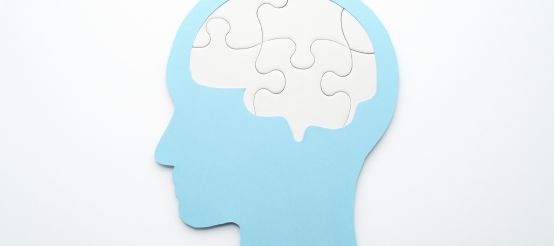
Repeated use alters GABA activity in the brain, reducing its natural ability to regulate anxiety and arousal, which can drive compulsive use.
To address these root causes, our treatment center in OKC provides comprehensive alcohol treatment, including medical detox, residential treatment, outpatient programs, and aftercare planning.
The duration of benzodiazepine addiction treatment varies from person to person and depends on several factors, including the severity of dependence, how long the medication was used, and the specific treatment plan. Because benzodiazepine withdrawal can be medically complex, tapering and detox often take longer than with some other substances, and treatment can range from several weeks to several months.
The recovery timeline is not limited to the duration of formal treatment. Achieving and maintaining stability is often a lifelong commitment. Even after completing a rehab program, individuals may continue with aftercare services, such as outpatient therapy or participation in support groups, to strengthen their recovery.
Professional treatment centers play a crucial role in helping individuals develop relapse prevention plans. These plans include identifying triggers, creating coping strategies for anxiety or insomnia without medication, and establishing a support network. The goal is to equip individuals with the tools and skills needed to navigate the challenges of daily life without turning to benzodiazepines.
In essence, benzodiazepine addiction treatment is a transformative journey that extends beyond rehab, requiring ongoing attention and effort. It’s a commitment to a healthier, more stable life that can be achieved and sustained with the right support and resources.
Treatment is a comprehensive process with multiple stages, tailored to your needs, preferences, and goals.
Benzodiazepine treatment in Oklahoma City is a comprehensive process with multiple stages, tailored to your needs, preferences, and goals.
Because of the risks associated with benzodiazepine withdrawal, including seizures, medical detoxification is strongly recommended. This typically involves a gradual, supervised taper to manage withdrawal symptoms safely and ensure the individual’s well-being.
MAT may be used to support a safe benzodiazepine taper. This often involves gradually reducing the dose, or substituting a longer-acting benzodiazepine, under close medical supervision to minimize withdrawal risk. Medications may also be used to manage co-occurring anxiety or insomnia as the taper progresses.
For individuals with co-occurring mental health disorders, dual diagnosis treatment is essential. It addresses both the addiction and the underlying mental health condition, often involving a combination of medication and therapy.
Various psychotherapies are used, such as Cognitive-Behavioral Therapy (CBT), Motivational Enhancement Therapy (MET), and Dialectical Behavior Therapy (DBT). These therapies address the psychological aspects of addiction, helping individuals manage anxiety and change unhealthy behaviors and thought patterns without relying on medication.
Holistic approaches, including mindfulness, yoga, nutrition counseling, and exercise, promote overall well-being and help individuals develop healthy, non-pharmacological coping mechanisms for anxiety and stress.
After completing the initial treatment program, individuals typically transition to aftercare services, which may include outpatient therapy, support groups, and ongoing medical monitoring if needed.
Royal Life Centers Oklahoma City offers a continuum of care within our treatment programs to individuals suffering from substance use and co-occurring disorders. Our Oklahoma City rehab center provides tailored treatment services to assist individuals in healing from addictions to drugs and alcohol through our comprehensive treatment programs. Our levels of care include:
24/7 monitored withdrawal management in a clinical, comfortable setting.
Live-in care with daily therapy, structure, and round-the-clock support.
Full-day treatment while you return home or to sober living each evening.
Several sessions a week, built around work, school, or family.
A supportive, substance-free home environment for the next stage of recovery.
Benzodiazepine withdrawal symptoms can begin as early as six to eight hours after the last dose, particularly for individuals taking short-acting medications such as alprazolam (Xanax). Early symptoms may include anxiety, restlessness, irritability, difficulty sleeping, and increased heart rate. However, withdrawal from longer-acting benzodiazepines may not begin for several days. The onset and severity of symptoms depend on the specific medication, dosage, duration of use, and level of physical dependence.
During the first one to four days, benzodiazepine withdrawal symptoms may become more intense as the medication leaves the body. Individuals may experience increased anxiety, insomnia, sweating, tremors, headaches, nausea, and heightened sensitivity to light or sound. Those who have developed significant physical dependence may also be at risk for serious complications, including seizures. Medical supervision is important during this stage to help manage symptoms and prevent potentially life-threatening complications.
Between days five and fourteen, benzodiazepine withdrawal symptoms may reach their peak, although the timing varies depending on the medication and whether the individual is following a gradual taper. Anxiety, panic attacks, muscle tension, sleep disturbances, and difficulty concentrating may continue during this period. In severe cases, individuals may experience confusion, hallucinations, or seizures. Medically supervised detox and individualized tapering schedules can help reduce withdrawal risks and improve comfort.
During weeks two through four, acute benzodiazepine withdrawal symptoms may begin to improve, particularly for individuals following a medically supervised taper. However, some people continue experiencing anxiety, insomnia, irritability, mood changes, and difficulty concentrating. Symptoms may fluctuate in intensity, with periods of improvement followed by temporary setbacks. Continued medical monitoring and behavioral health support can help individuals manage lingering symptoms and maintain progress throughout recovery.
In the months following benzodiazepine discontinuation, some individuals experience prolonged withdrawal symptoms, sometimes referred to as protracted withdrawal. These may include persistent anxiety, sleep disturbances, depression, cognitive difficulties, and increased sensitivity to stress. While symptoms often improve gradually, recovery can take several months or longer for some individuals. Ongoing medical care, counseling, and appropriate mental health treatment can help support long-term recovery.
Benzodiazepine detox is the process of safely discontinuing benzodiazepine use, typically through a gradual, medically supervised taper rather than abrupt cessation. For many people, withdrawal symptoms can begin within hours to a few days after their last dose, depending on the medication’s half-life. Early symptoms may include anxiety, irritability, sweating, insomnia, and muscle tension. In more severe cases, withdrawal can involve seizures, hallucinations, or significant confusion.
The detox process is not the same for everyone. A person’s symptoms can vary depending on factors such as which benzodiazepine was used, how long they have been taking it, their typical dosage, and whether they have co-occurring mental health concerns. That is why a professional assessment is so important before and during detox.
Detox is an important first step, but it is only the beginning of recovery. While detox and tapering help the body stabilize, long-term healing usually requires continued treatment that addresses the underlying causes of benzodiazepine use, including anxiety or insomnia that may have led to initial use. For many people, this includes therapy, relapse prevention planning, mental health support, and ongoing care at the appropriate level of treatment.
Royal Life Centers Oklahoma City offers a full continuum of services beyond detox, including residential treatment, partial hospitalization, and intensive outpatient programming. This allows guests to continue building momentum in recovery with structured support tailored to their needs, goals, and stage of healing.
Inpatient rehab is a residential level of care in which guests live at the treatment facility while participating in a full schedule of recovery services. This level of treatment is often recommended for individuals who need a higher degree of structure, medical support, and therapeutic engagement than outpatient care can provide, which is particularly important given the medical risks associated with benzodiazepine withdrawal.
During inpatient rehab for benzodiazepine addiction, guests may take part in services such as individual therapy, group counseling, relapse prevention education, family support, and treatment for co-occurring mental health conditions like anxiety or panic disorder. The goal is not only to safely discontinue benzodiazepine use, but also to help guests understand the patterns behind it and develop healthier, non-pharmacological ways to manage anxiety and stress moving forward.
No two recovery journeys are exactly alike, which is why effective inpatient rehab should be personalized. A treatment plan may begin with a thorough assessment of a guest’s benzodiazepine use history, taper needs, mental health needs, physical health, and personal goals. From there, care can be tailored to support both immediate stabilization and long-term progress.
Guests in inpatient rehab typically follow a structured daily routine that includes therapy, a supervised taper schedule, recovery-focused activities, skill-building, and time for reflection. As treatment progresses, the focus often shifts toward relapse prevention, anxiety management, emotional regulation, and preparing for the next level of care after residential treatment.
You don’t have to have it all figured out. Call when you’re ready — or send us your number, and a caring admissions specialist will reach out to you.