Finding reliable information can make it easier to understand addiction, mental health concerns, and the treatment options available to you or someone you love. Explore our resources for guidance on recognizing signs and symptoms, navigating treatment and recovery, supporting a loved one, and knowing when it may be time to seek professional help.
A member of our admissions team will reach out — no obligation, no voicemail left without your permission.
Confidential & HIPAA-compliant. We never share your information, and we’re here 24 hours a day, 7 days a week.
Accredited, Licensed & Recognized Nationwide
Resources
Treatment Resources
Take the next step toward understanding addiction, mental health, and the support available to you or someone you love. Explore our resources to learn how to recognize signs of a problem, get help for alcohol addiction, substance use disorder, and mental health concerns, compare treatment programs across the continuum of care, support a loved one, and find the right help, including outpatient treatment and outpatient programs as flexible options, when you’re ready.
Alumni Resources
Completing a treatment program is an important milestone, but recovery continues long after formal treatment ends. Alumni resources help individuals maintain their progress, build healthy routines, and stay connected with people who understand the challenges of life after treatment. Through ongoing support, peer connections, and recovery-focused activities, alumni can continue developing the skills they need for lasting recovery.
College can be a time of personal growth, new relationships, and increased independence. However, academic pressure, social expectations, and life transitions can also affect mental health and influence substance use. Recovery resources can help college students recognize when they need support, explore healthier coping strategies, and find services that fit their academic and personal lives.
Experiencing domestic violence can affect a person’s sense of safety, emotional well-being, relationships, and confidence. Abuse may involve physical harm, emotional manipulation, threats, intimidation, or controlling behavior. Finding support can feel difficult, especially when safety, finances, or family responsibilities are involved. Recovery resources can help survivors explore support options, understand their experiences, and take steps toward healing at their own pace.
Grief resources include support groups, educational materials, and organizations that offer practical guidance and connection after a loss. Grief is a deeply personal response to loss, whether it follows the death of a loved one, the end of a relationship, a significant life change, or another experience that changes what matters to us. For adults moving through that kind of loss, grief can bring sadness, anger, confusion, numbness, and many other emotions that affect daily life, relationships, and emotional wellbeing. The resources below are meant to help you better understand the grieving process, care for your mental and emotional health, and find support through peer groups, counseling, and national grief organizations.
LGBTQ+ individuals may face unique challenges related to mental health, substance use, discrimination, social acceptance, and access to affirming care. Experiences vary from person to person, but everyone deserves support that respects their identity, circumstances, and personal goals. LGBTQ+ recovery resources for those struggling with mental health or addiction issues in Oklahoma City can help individuals find welcoming communities, explore treatment options, and build a support system that encourages long-term well-being.
Our Native American rehab center in Oklahoma City provides substance use treatment and mental health services that respect Indigenous traditions, spirituality, and community ties as part of recovery. For Native American and Indigenous individuals and families looking for culturally informed care, the right support can be shaped by personal experiences, family relationships, community connections, and access to appropriate treatment. This includes help for substance use disorders, mental health challenges, and community-based recovery approaches, along with resources and organizations that honor tribal identities and traditions. Because healing is often closely connected to culture, family, and community, culturally responsive care can make treatment more respectful, relevant, and effective.
Supporting someone through substance use recovery can bring a range of emotions, questions, and challenges. Family members, partners, and friends may need guidance to understand addiction, communicate effectively, and support their loved one without neglecting their own well-being. Recovery resources can help loved ones build knowledge, find emotional support, and strengthen healthy relationships throughout the recovery process.
Experiencing sexual assault can have a lasting impact on a person’s emotional well-being, relationships, and sense of safety. Every survivor responds differently, and healing may involve navigating difficult emotions, rebuilding trust, and finding ways to feel safe again. Recovery resources can help survivors and their loved ones access support, explore professional care, and understand that healing is possible without following a specific timeline.
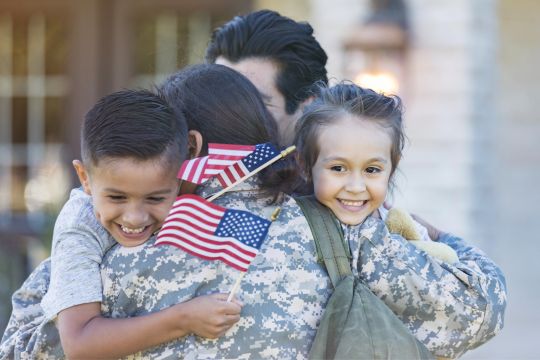
A veteran rehab center provides addiction treatment and mental health support tailored to veterans dealing with substance use, trauma, and the challenges of military service and the transition to civilian life. Veterans may face unique difficulties when coping with traumatic experiences or managing ongoing mental health concerns, and for some, those struggles overlap with drug or alcohol use. Specialized recovery resources can help veterans and their loved ones explore treatment options, find veteran-informed mental health care, and connect with support systems that understand their experiences.