Experiencing sexual assault can have a lasting impact on a person’s emotional well-being, relationships, and sense of safety. Every survivor responds differently, and healing may involve navigating difficult emotions, rebuilding trust, and finding ways to feel safe again. Recovery resources can help survivors and their loved ones access support, explore professional care, and understand that healing is possible without following a specific timeline.
A member of our admissions team will reach out — no obligation, no voicemail left without your permission.
Confidential & HIPAA-compliant. We never share your information, and we’re here 24 hours a day, 7 days a week.



Sexual assault can affect people in different ways. Some survivors experience anxiety, depression, post-traumatic stress symptoms, difficulty trusting others, or changes in their everyday routines. Others may have reactions that are difficult to identify or describe. Understanding that responses to trauma vary can help survivors approach their experiences with compassion and seek support when they feel ready.
Finding someone who listens without judgment can be an important part of the healing process. Trained advocates, trauma-informed therapists, and survivor support organizations can provide information, emotional support, and guidance about available options. Survivors should be able to make their own decisions about seeking support and sharing their experiences.
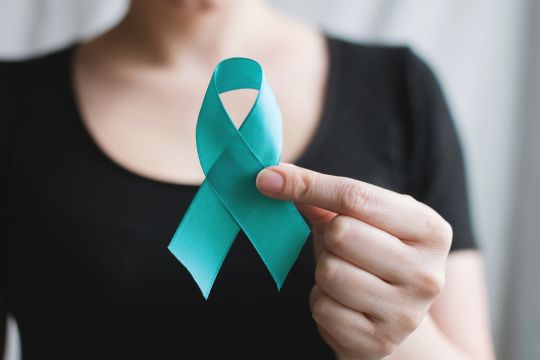

Healing after sexual assault is a personal journey, and every survivor deserves the time, space, and support needed to move forward at their own pace. Counseling, peer support groups, healthy daily routines, and trusted relationships may help survivors process difficult emotions, rebuild self-confidence, and gradually regain a sense of safety and control. Having access to compassionate people who listen without judgment can make it easier to express feelings, work through challenging experiences, and explore what healing means on an individual level.
Some survivors may also need support for related mental health concerns, such as anxiety, depression, trauma-related symptoms, or substance use. Connecting with qualified professionals and trauma-informed services can provide guidance tailored to each person’s needs, experiences, and preferences. Establishing healthy boundaries, practicing self-care, and finding supportive communities may also help survivors strengthen their emotional well-being over time. There is no single timeline or approach to healing, and survivors should never feel pressured to move faster than they are comfortable with. Accessing appropriate care and support can help individuals work toward their personal goals while feeling respected, heard, and empowered throughout their recovery journey.
Experiencing sexual assault can be overwhelming, and finding support can help survivors navigate healing and recovery. The following organizations offer information, advocacy, and resources for individuals affected by sexual violence.
To learn more about sexual assault resources, visit these organizations:
These organizations can help survivors explore support options and find relevant resources. South Coast Behavioral Health can also provide information about available treatment and recovery support.