A member of our admissions team will reach out — no obligation, no voicemail left without your permission.
Confidential & HIPAA-compliant. We never share your information, and we’re here 24 hours a day, 7 days a week.
If you’ve tried to cut back on drug use and found it harder than expected, reach out to Royal Life Centers Oklahoma City. Our admissions team can answer your questions, explain your treatment options, and help you decide whether drug rehab is right for you. Call us anytime for a confidential conversation and a free insurance benefits check.
The blog explains that MDMA, commonly known as Molly, is a synthetic drug that can lead to psychological addiction even though it is not considered highly physically addictive in the same way as opioids or alcohol. Repeated use affects serotonin levels in the brain, creating intense feelings of euphoria followed by significant emotional crashes, including depression, anxiety, and irritability. Over time, individuals may begin to use the drug compulsively in an attempt to recreate its pleasurable effects or avoid the negative aftereffects. The article also highlights the physical dangers associated with MDMA use, such as overheating, dehydration, and the risks posed by contaminated or adulterated substances. Treatment approaches at facilities like SCBH (South Coast Behavioral Health) typically focus on behavioral therapy and addressing co-occurring mental health conditions, since MDMA misuse is often linked to underlying emotional distress. Overall, recovery involves both psychological support and lifestyle changes to reduce relapse risk and promote stability.
Molly is a slang term for the party drug MDMA.
MDMA stands for 3,4-methylenedioxymethamphetamine. It’s a synthetic drug, meaning it’s created in a laboratory and has stimulative and hallucinogenic effects. As the name implies, MDMA is a derivative of methamphetamine and as such is considered a stimulant.
MDMA works by increasing the activity of three neurotransmitters in the brain: dopamine, norepinephrine, and serotonin. A typical MDMA dose will lead to feelings of increased energy, pleasure, emotional warmth, and distorted sensory and time perception. People who take it will also experience a “body high,” in which simply moving one’s body feels pleasurable.
Unsurprisingly, these aspects of MDMA make it a very popular party drug. People will often take MDMA at raves and music festivals and then dance for hours on end. In the United States, MDMA is classed as a Schedule I substance, meaning that it is unlawful to make, distribute, or possess due to its high potential for abuse.
In this article, we’ll cover the effects of MDMA, how long it says in your system, and a typical MDMA dose.
That depends on your definition of the word “addictive.” According to the National Institute on Drug Abuse, Molly does not induce physical dependence. This stands in contrast to “harder,” highly addictive drugs like heroin and methamphetamine. However, while it might not be as habit-forming as those drugs, regular use can lead to psychological dependence and addiction. People who frequently take MDMA may begin to chase the drug’s euphoric effects. When the drug is used frequently, the brain can become reliant on it to produce these neurotransmitters, which may result in difficulty feeling pleasure without the drug, a key characteristic of addiction.
It’s also worth noting that while MDMA is often sold under the guise of purity, many times it’s cut with other substances which may carry their own addictive properties or health risks.
Substance misuse is a serious concern, and anyone struggling with it should seek professional help.
Here are some of the signs and symptoms that might be observed in a person who has recently used MDMA:
Physical Symptoms:
Behavioral and Psychological Symptoms:
Long-term use can lead to more severe mental and physical health problems. Additionally, because many tablets or powders sold as ecstasy may contain other harmful substances or adulterants, there are additional risks associated with its use.
Get confidential help from our addiction detox and treatment specialists in Oklahoma City. Call to join our rehab program today!
Yes, it is possible to overdose on ecstasy.
Signs of an MDMA overdose can include:
In severe cases, MDMA overdose can result in liver, kidney, or heart failure, and in some instances, death. Using MDMA with other drugs, especially alcohol, can magnify these risks.
Overheating and dehydration can exacerbate the effects of MDMA and contribute to an overdose. This is often a concern at dance festivals or nightclubs, where MDMA is frequently used, as these settings can be hot and crowded, and people may forget to stay hydrated.
MDMA abuse can lead to various physical health issues, including dehydration, hyperthermia, cardiac problems, and neurotoxicity. Treatment can help address these health concerns and prevent further damage. Chronic MDMA abuse can also result in significant mental health issues such as anxiety, depression, paranoia, and cognitive impairment. Treatment can provide interventions and support to stabilize mental health and improve well-being. Dual diagnosis treatment is the process by which we treat co-occurring substance abuse and mental illness. Addiction treatment programs offer access to a supportive network of peers and professionals who understand the challenges of addiction. This support system can provide encouragement, guidance, and accountability throughout the recovery process. We offer both inpatient and outpatient programs for addiction to molly.
A rehab program for molly or Ecstasy offers behavioral therapy like individual therapy, family therapy, cognitive behavioral therapy, experiential therapy, dialectical behavioral therapy, medication-assisted treatment, and more. These therapies are proven effective for drug abuse of many different kinds.
Our levels of care for drug rehabilitation include:
If you are addicted to MDMA or notice the signs of molly abuse in a loved one, our Oklahoma City treatment center can help. We provide various treatment programs for stimulant addiction and MDMA use disorders. Call us today at 866-881-1184 to verify insurance and learn how you can get started on your road to recovery with a therapy program designed for your needs. You can end substance abuse, our treatment center can help.
Posted on Google
 okay russell
Trustindex verifies that the original source of the review is Google.
Been twice. Best place to go to. Heard many people say theyve been to multiple rehabs and that this was the best one. Staff genuinely genuinely cares and have personal experiences.Posted on Google Randall PickupThis place saved my life... I recommend this to whoever is struggling in life..Posted on Google
 Maria ToddI walked through those doors only focused on detox. I ended up staying 30 days, because of my roommate, staff and the vibe. Ty SCBH, for giving me my life back. I was drowning and you pulled me out the deep end. The staff was so empathetic and understanding. If you are struggling... go, learn and learn. What I've been given back is priceless. Check em out!Posted on Google
 Bradley RowlandGreat place to go good staff good medical attention would recommend to anyone seeking helpPosted on Google
 Nic KernSouth Coast is a wonderful place for any addict who needs help with their addiction. I had been in addiction for over 15 years and finally found my recovery solution with this facility. It was clean and very friendly. All of the facility, medical,and nursing staff were amazing and honestly listen to you. The groups were and people were so welcoming and informative about addiction and made me feel as though I wasn't an outcast for being an addict. I want to thank South Coast for being so gracious and caring to my addiction needs. If you are needing help with your addiction this is the place where you can find freedom from your disease of addiction and live happily in life. It definitely saved my life and now I get to be the Mother and Grandma my kiddos need!Posted on Google
 Riley MitchellMy mother-in-law was needing help with her addiction and this facility was a god send! She was very pleased with all the staff and told me all about how much she learned so much about herself and her addiction. Also, how all the facilitators, medical and nursing staff were so compationate and caring. She is now working a program and doing amazing. She credits South Coast for helping her get her life back on track.Posted on Google
 Adrian ThomasSouth coast has changed so many lives! I am so glad to had been a client an hospitality and groups were amazing I’ve learned so much a staff will prepare anyone with a willing mind to face addiction head on!! From the front desk to the kitchen you are met with genuine workers who knows the pain and suffering people go through. Highly recommend if you want change in your life -Adrian
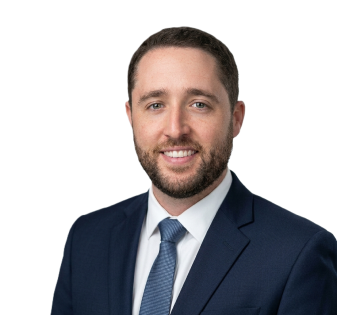
Evan Gove
Our editorial team writes on addiction, mental health, and treatment access, with every clinical claim reviewed before publication.
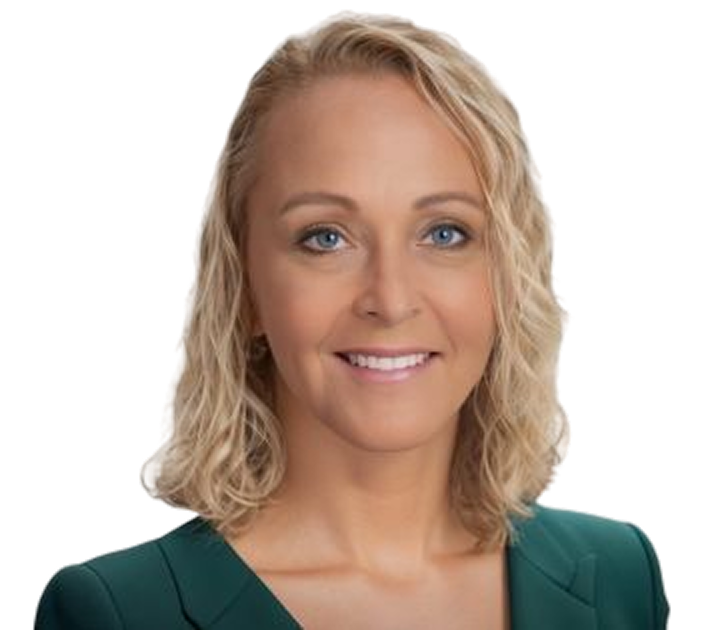
Serves as the Chief Medical Officer at Aliya Health Group’s rehab centers in California, Arizona, and Washington State. Since 2016, she has impeccably managed the medical services offered by Royal Life Centers and Vogue Recovery Centers.
You don’t have to have it all figured out. Call when you’re ready — or send us your number, and a caring admissions specialist will reach out to you.