
A member of our admissions team will reach out — no obligation, no voicemail left without your permission.
Confidential & HIPAA-compliant. We never share your information, and we’re here 24 hours a day, 7 days a week.
It’s natural to be unsure whether outpatient or inpatient treatment makes more sense for your situation. Learning how your home environment, withdrawal risks, relapse patterns, and mental health needs can affect that decision may help you understand your options; a self-assessment or informational call can be a low-pressure place to start.
Repeated outpatient attempts without lasting results don’t mean recovery is impossible — they often mean the level of care isn’t matching the complexity of the situation. This post walks through six concrete signs that inpatient rehab may be a more appropriate fit than continuing outpatient treatment: an unstable or trigger-filled home environment, significant medical risk during withdrawal, a recurring pattern of short relapses, untreated or undertreated co-occurring mental health conditions, escalating real-world consequences from continued use, and an inability to stop despite genuine effort. Not every sign applies to everyone, and the post is written as an honest self-assessment tool rather than a pitch for the most intensive option. South Coast Behavioral Health OKC offers a full continuum of care — medical detox, inpatient rehab, PHP, IOP, and dual diagnosis treatment — in Oklahoma City, with confidential assessments available 24/7 and insurance verification available before any commitment is made.
You’ve tried outpatient. Maybe twice. Maybe three times. Each time, you went in with real intention. And each time, something pulled you back — a trigger at home, a rough night, a craving that felt impossible to manage without more support around you.
That frustration is valid. It doesn’t mean you’ve failed. It may mean the level of care wasn’t right for the problem.
Outpatient treatment works well for many people. It’s flexible, it fits around work and family, and for those with strong home environments and lower medical risk, it can be exactly enough. But it was never designed to handle every situation. When the circumstances are more complex — when the environment is unstable, the medical risk is real, or mental health needs aren’t being fully addressed — outpatient can keep falling short no matter how hard you try.
This post gives you six concrete signs to look at honestly. Not every sign automatically means inpatient is the answer, and we’ll say so where that’s the case. The goal is to help you make a clearer, more informed decision about what you actually need — and whether drug and alcohol rehab in Oklahoma City at the inpatient level is the missing piece.
Outpatient treatment asks you to go home every night — to the same spaces, the same people, and in some cases, the same triggers that contributed to substance use in the first place. For some people, that’s manageable. For others, it’s the reason outpatient keeps breaking down.
Ask yourself honestly: Is there alcohol or drugs in your home? Do the people around you still use? Is your living situation unpredictable or unsafe? If the answer to any of those is yes, the environment itself may be working against the treatment.
This sign doesn’t automatically mean outpatient is wrong for everyone — plenty of people succeed with outpatient while navigating imperfect home situations. But if your home environment has been a consistent factor in previous relapses, it’s worth weighing seriously. Inpatient rehab removes you from those triggers entirely, giving your recovery a chance to take root before you have to manage them.
Some substances carry physical risks during withdrawal that go beyond discomfort. Alcohol and benzodiazepines, in particular, can cause seizures and other dangerous complications when stopped abruptly — complications that are difficult to predict and impossible to manage safely at home.
If you’re physically dependent on alcohol, benzodiazepines, or certain other substances, medical detox in Oklahoma City under 24/7 clinical supervision isn’t just a comfort measure. It’s a safety measure. Outpatient settings aren’t equipped to monitor withdrawal at that level. Attempting to detox at home or through an outpatient program when physical dependence is significant puts you at genuine medical risk.
This is one of the clearest signals that inpatient care — beginning with supervised detox — is the appropriate level. The medical detox program at South Coast Behavioral Health OKC provides around-the-clock nurse monitoring, FDA-approved comfort medications, and immediate response if complications arise. For many people, this supervised start is the foundation that allows everything else in recovery to work.
One relapse doesn’t mean treatment has failed. Relapse is common in recovery from addiction, and for many people, it’s part of the longer process of getting well. But there’s a difference between a single relapse that leads to renewed effort and a repeating cycle of short periods of sobriety followed by a return to use.
If you’ve been through outpatient two or three times and the pattern looks the same each time — some progress, then a relapse, then starting over — it’s worth asking why. The answer often isn’t willpower or commitment. It’s usually that outpatient doesn’t provide enough structure, accountability, or removed distance from the situations driving the cycle.
Inpatient treatment breaks the cycle differently. Instead of treating addiction while you remain inside the environment that’s contributing to it, inpatient removes you from that environment completely, surrounds you with intensive daily structure, and gives you the uninterrupted time to address what’s underneath the pattern. For people caught in repeated short relapses, this shift in level of care is often what changes the outcome.
Get confidential help from our addiction treatment specialists in Oklahoma City. Call to join our rehab program today!
Substance use and mental health conditions frequently occur together. According to the National Institute on Drug Abuse (NIDA), approximately 50.5% of people with addiction also have a co-occurring mental health disorder. Depression, anxiety, PTSD, ADHD, and bipolar disorder are among the most common. When both are present, each condition can make the other worse — and treating only one often leaves the other driving ongoing substance use.
Standard outpatient programs vary significantly in how well they address co-occurring mental health needs. If you’re managing depression or anxiety alongside addiction and haven’t seen meaningful improvement in outpatient, it’s possible the mental health piece isn’t being treated with the same depth as the substance use.
Dual diagnosis treatment at the inpatient level integrates care for both conditions at the same time. South Coast Behavioral Health OKC provides thorough mental health assessments on arrival, medication management for conditions like depression, anxiety, and PTSD, and psychotherapy approaches — including cognitive behavioral therapy (CBT) — woven throughout the treatment program. When both conditions are addressed together, the path to lasting recovery becomes significantly clearer.
These final two signs often travel together, and they’re worth naming directly.
Sign Five: The consequences of continued use are getting more serious. Job loss, legal problems, damaged relationships, or health decline that’s worsening — these aren’t reasons to feel shame. They’re information. When the stakes are rising faster than outpatient can keep up with, the level of care needs to rise too.
Sign Six: You’ve tried to stop on your own and can’t. This one is harder to admit, but it matters. If you’ve made genuine attempts to stop — whether alone or with outpatient support — and found that you couldn’t sustain it, that’s not a character flaw. Physical dependence, withdrawal symptoms, and the neurological nature of addiction make stopping without adequate support genuinely difficult for many people. The admissions team at South Coast Behavioral Health OKC hears this regularly. It’s one of the most common reasons people arrive at inpatient for the first time.
Neither of these signs means inpatient is the only path forward for everyone. But if you’re experiencing both — escalating consequences and repeated unsuccessful attempts to stop — continuing at the same outpatient level is unlikely to produce a different result.
Reading through this list and recognizing yourself in multiple signs can bring up a complicated mix of feelings. Relief at having some clarity. Fear about what inpatient treatment actually means. Questions about cost, time, work, and what people will think.
Those concerns are worth taking seriously, not dismissing. Here’s what’s helpful to know:
That question doesn’t have a single answer for everyone. It depends on your environment, your medical situation, the patterns you’ve experienced in treatment, and whether mental health needs are part of the picture.
What South Coast Behavioral Health OKC offers is a full continuum — medical detox in Oklahoma City, inpatient rehab in Oklahoma, partial hospitalization, and intensive outpatient — so that your level of care can match what’s actually going on. The goal isn’t to push everyone toward the most intensive option. It’s to find the right fit.
If you’re ready to compare inpatient and outpatient side by side and understand what each one involves, take a closer look at inpatient vs. outpatient rehab in OKC. And if you have questions now, the team at South Coast is available around the clock.
Call 714-912-1567 for a free, confidential conversation — any time, day or night.
Posted on Google
 okay russell
Trustindex verifies that the original source of the review is Google.
Been twice. Best place to go to. Heard many people say theyve been to multiple rehabs and that this was the best one. Staff genuinely genuinely cares and have personal experiences.Posted on Google Randall PickupThis place saved my life... I recommend this to whoever is struggling in life..Posted on Google
 Maria ToddI walked through those doors only focused on detox. I ended up staying 30 days, because of my roommate, staff and the vibe. Ty SCBH, for giving me my life back. I was drowning and you pulled me out the deep end. The staff was so empathetic and understanding. If you are struggling... go, learn and learn. What I've been given back is priceless. Check em out!Posted on Google
 Bradley RowlandGreat place to go good staff good medical attention would recommend to anyone seeking helpPosted on Google
 Nic KernSouth Coast is a wonderful place for any addict who needs help with their addiction. I had been in addiction for over 15 years and finally found my recovery solution with this facility. It was clean and very friendly. All of the facility, medical,and nursing staff were amazing and honestly listen to you. The groups were and people were so welcoming and informative about addiction and made me feel as though I wasn't an outcast for being an addict. I want to thank South Coast for being so gracious and caring to my addiction needs. If you are needing help with your addiction this is the place where you can find freedom from your disease of addiction and live happily in life. It definitely saved my life and now I get to be the Mother and Grandma my kiddos need!Posted on Google
 Riley MitchellMy mother-in-law was needing help with her addiction and this facility was a god send! She was very pleased with all the staff and told me all about how much she learned so much about herself and her addiction. Also, how all the facilitators, medical and nursing staff were so compationate and caring. She is now working a program and doing amazing. She credits South Coast for helping her get her life back on track.Posted on Google
 Adrian ThomasSouth coast has changed so many lives! I am so glad to had been a client an hospitality and groups were amazing I’ve learned so much a staff will prepare anyone with a willing mind to face addiction head on!! From the front desk to the kitchen you are met with genuine workers who knows the pain and suffering people go through. Highly recommend if you want change in your life -Adrian
Not automatically — but repeated outpatient attempts without lasting success is one of the strongest signals that the current level of care isn’t enough. Factors like an unstable home environment, physical dependence, co-occurring mental health conditions, and a pattern of short relapses all point toward a higher level of structured support. A clinical assessment can help clarify which level fits your situation.
Inpatient rehab (also called residential treatment) means living at the treatment facility for the duration of your program, with 24/7 clinical support, intensive daily therapy, and full removal from your daily environment. Outpatient rehab allows you to return home each day while attending scheduled therapy sessions. Inpatient is generally recommended when the home environment, medical risk, or severity of addiction make outpatient insufficient.
Inpatient rehab at South Coast Behavioral Health OKC begins with medical detox for those with physical dependence, followed by residential treatment that includes individual therapy, group sessions, 12-step programming, trauma-informed care, relapse prevention, and holistic services — all in a home-like, structured environment in Oklahoma City. Dual diagnosis treatment is integrated for guests managing co-occurring mental health conditions.
Yes, in many cases. Alcohol and benzodiazepine withdrawal can cause seizures and other serious medical complications without warning. Attempting to stop without clinical supervision carries real health risks. Medical detox in Oklahoma City at South Coast provides 24/7 nurse monitoring and FDA-approved medications to keep the process safe and as comfortable as possible.
There’s no fixed threshold — the right level of care depends on your individual situation. South Coast Behavioral Health OKC conducts a brief, confidential clinical assessment to evaluate your medical needs, home environment, mental health history, and substance use patterns, then recommends the appropriate starting point. You don’t need to make that determination yourself before calling.
Many insurance plans do cover inpatient treatment. South Coast Behavioral Health is in-network with Cigna and Anthem Blue Cross Blue Shield and works with many other major insurers. Private pay options are also available. You can verify your insurance benefits online before making any decisions about treatment.
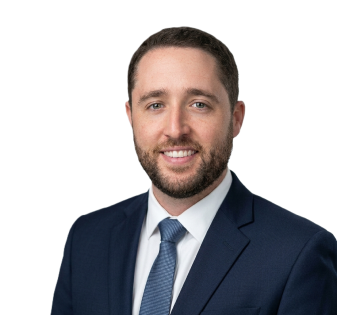
Evan Gove
Our editorial team writes on addiction, mental health, and treatment access, with every clinical claim reviewed before publication.

Serves as the Chief Medical Officer at Aliya Health Group’s rehab centers in California, Arizona, and Washington State. Since 2016, she has impeccably managed the medical services offered by Royal Life Centers and Vogue Recovery Centers.
You don’t have to have it all figured out. Call when you’re ready — or send us your number, and a caring admissions specialist will reach out to you.