Royal Life Centers Oklahoma City offers holistic therapy alongside evidence-based psychotherapy and clinical care, treating the whole person in addiction and mental health recovery. Guests can take part in holistic treatments at every level of care, from medical detox through sober living. These services help each guest build practical wellness skills they can carry into daily life, creating a strong foundation for lasting, holistic recovery.
A member of our admissions team will reach out — no obligation, no voicemail left without your permission.
Confidential & HIPAA-compliant. We never share your information, and we’re here 24 hours a day, 7 days a week.



Holistic therapy is an approach to care that treats the whole person — mind, body, and overall well-being — rather than focusing exclusively on a diagnosis or set of symptoms. For someone navigating substance abuse or mental health challenges, this means looking beyond the immediate crisis to understand how sleep, nutrition, stress, emotional regulation, and daily habits all connect to long-term recovery. Guests can take part in holistic offerings as part of their rehab program in Oklahoma City, including meditation, mindfulness, breathwork, sound healing, life skills training, and nutrition counseling. These services aren’t a replacement for clinical treatment — they’re a companion to it, giving guests practical tools to manage stress, regulate emotions, and establish healthier patterns of living.
Holistic services aren’t an add-on. They’re incorporated into treatment because they directly support the skills guests need to sustain recovery over time. For many people, substances or unhealthy coping patterns become the default response to stress, discomfort, or difficult emotions. Holistic therapy helps guests develop healthier ways of responding to cravings and distress, so stress no longer has to lead back to old habits.
Active substance use and untreated mental health conditions often disconnect people from their own physical experience — sleep, nutrition, breathing, and basic bodily sensations can go unnoticed for months or years. Holistic practices help guests rebuild awareness of how their mind and body communicate with each other. Because they require no special equipment or setting, guests can continue practicing meditation, mindfulness, and breathwork independently long after they leave treatment.
Many guests face both substance use and mental health challenges at the same time, and these conditions often influence one another. Holistic mental health treatment at Royal Life Centers Oklahoma City complements clinical care for anxiety, depression, trauma-related symptoms, and other co-occurring conditions.
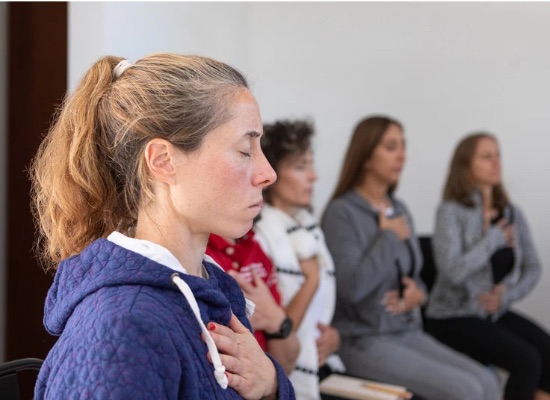

At Royal Life Centers Oklahoma City, holistic therapies complement evidence-based clinical care by supporting the physical, emotional, and practical aspects of recovery. These services give guests opportunities to manage stress, build healthier routines, strengthen self-awareness, and develop skills they can continue using throughout treatment and in long-term recovery.
Holistic therapies often found alongside traditional addiction and mental health treatments include:
Meditation, Breathwork, and Mindfulness: These practices encourage guests to slow down, become more aware of their thoughts and emotions, and respond to stress in healthier ways. Over time, mindfulness-based skills can become useful tools for navigating cravings, difficult emotions, and everyday challenges without turning to drugs or alcohol.
Sound Healing: Sound healing provides a calming, reflective experience using sound and vibration to support relaxation and mindfulness. As a complementary wellness practice, it can offer guests dedicated time to decompress, focus inward, and practice being present.
Life Skills Training: Recovery involves learning how to navigate everyday life with greater confidence and independence. Life skills training can address areas such as communication, time management, goal setting, healthy routines, problem-solving, and other practical skills that support the transition from structured treatment to independent living.
Nutrition Counseling: Substance use and mental health challenges can disrupt eating habits and overall physical wellness. Nutrition counseling helps guests better understand their nutritional needs, establish balanced eating habits, and make choices that support their overall health and well-being throughout recovery.
Detox is the earliest stage of treatment, and medical safety and stabilization are always the top priority. Complementary wellness practices may be introduced to help create a calmer, more supportive environment during this stage. Holistic services do not replace medical monitoring, withdrawal management, or medications used during detox — they work alongside them.
Inpatient (residential) treatment offers more opportunities to practice mindfulness, healthy routines, nutrition habits, and coping skills alongside individual and group psychotherapy. Repetition matters here: a structured residential environment gives guests the chance to begin turning new skills into habits.
As guests move into partial hospitalization (PHP) and intensive outpatient (IOP) levels of care, holistic skills become increasingly practical. Guests begin using mindfulness, breathing techniques, nutrition habits, and life skills while managing real-world responsibilities, relationships, and triggers outside of a fully structured setting.
In sober living, holistic tools become part of independent daily life. This might look like a morning meditation before work, preparing a nutritious meal after a long day, using breathing exercises during a stressful moment, maintaining a healthy sleep schedule, or applying time-management skills learned during life skills training. Royal Life Centers Oklahoma City operates sober living homes on NW 23rd Street in OKC, giving guests a supportive, substance-free environment to practice these habits.
The goal of holistic therapy isn’t to create dependence on a treatment setting — it’s sustainability. Guests leave Royal Life Centers Oklahoma City with wellness strategies they can incorporate into everyday life, long after their formal treatment has ended.

Whether you’re researching treatment for yourself or trying to find the right level of care for someone you love, it’s natural to have questions — and to want clear, honest answers before making a decision.
Royal Life Centers Oklahoma City offers individualized treatment for addiction and mental health, combining evidence-based psychotherapy with holistic services across every stage of the continuum of care. This means your treatment plan is built around your specific history, goals, and needs, not a generic template.
Our admissions team is available to walk you through your options, answer questions about what treatment looks like day to day, and help you understand which level of care may be the right starting point. We offer free, confidential insurance verification and accept a range of plans, along with self-pay and financing options for guests without in-network coverage.
There’s no pressure and no obligation — just a conversation to help you understand what’s possible. Call Royal Life Centers Oklahoma City to speak with our admissions team about treatment options and find the level of care that fits your situation.
You don’t have to have it all figured out. Call when you’re ready — or send us your number, and a caring admissions specialist will reach out to you.
Holistic therapy for addiction treats the whole person — mind, body, and overall well-being — rather than focusing only on substance use itself. It includes practices like mindfulness, breathwork, sound healing, life skills training, and nutrition counseling, used alongside evidence-based psychotherapy and clinical care.
Yes. Royal Life Centers Oklahoma City offers holistic mental health treatment that complements clinical psychotherapy. This includes mindfulness, breathwork, and structured wellness practices designed to support guests managing anxiety, depression, trauma-related symptoms, or other co-occurring conditions.
Holistic therapy itself is considered a complementary practice rather than a stand-alone evidence-based treatment. At Royal Life Centers Oklahoma City, holistic services are always paired with evidence-based psychotherapies and medical care, so guests receive clinically grounded treatment supported by complementary wellness practices.
No. Holistic therapy is designed to complement psychotherapy and medical treatment, including medication-assisted treatment (MAT), not replace them. Medical monitoring, clinical therapy, and prescribed medications remain central to treatment at every stage.
Mindfulness helps guests become more aware of their thoughts, emotions, and triggers in the moment, creating space to respond thoughtfully rather than react automatically. This awareness is a practical tool for managing cravings, stress, and emotional discomfort throughout recovery.
Yes. Practices like meditation, mindfulness, breathwork, life skills, and nutrition habits are designed to be sustainable long after formal treatment ends. Many guests continue using these tools independently as part of their everyday routine in sober living and long-term recovery.