A member of our admissions team will reach out — no obligation, no voicemail left without your permission.
Confidential & HIPAA-compliant. We never share your information, and we’re here 24 hours a day, 7 days a week.
If you’ve tried to cut back on marijuana and found it harder than expected, reach out to Royal Life Centers Oklahoma City. Our admissions team can answer your questions, explain your treatment options, and help you decide whether marijuana rehab is right for you. Call us anytime for a confidential conversation and a free insurance benefits check.
Smoking one joint every day is generally considered heavy marijuana use because consistent, long-term cannabis consumption increases the risk of dependence and addiction. While marijuana affects everyone differently, daily use can alter brain chemistry over time, making it harder to stop without experiencing cravings or withdrawal symptoms. Heavy cannabis use may also contribute to memory impairment, reduced concentration, mood changes, disrupted sleep, decreased motivation, and an increased risk of cardiovascular, respiratory, and mental health concerns. The article explains that dependence develops gradually through repeated exposure rather than occasional use, meaning even people who feel functional may still be at risk. If marijuana use begins interfering with daily responsibilities, relationships, or overall well-being, professional treatment may be beneficial. Comprehensive care—including medical detox when appropriate, counseling, behavioral therapies, and ongoing recovery support—can help individuals overcome cannabis dependence and build healthier coping strategies for long-term recovery.
While marijuana laws continue to evolve across the U.S., a heavy cannabis user is generally someone who uses marijuana daily, long-term, or multiple times a day—patterns of chronic use that can lead to dependence and addiction. Although medical marijuana is legal in many states for conditions like chronic pain, unregulated marijuana consumption, especially in the form of smoking joints or using vape pens and disposable vapes, can lead to marijuana abuse. CBD products, including CBD edibles, tinctures, and vapes, are widely marketed as therapeutic, but many consumers mistakenly assume they’re risk-free. It’s important to distinguish between research-based medical marijuana use and heavy cannabis use that may cause harm.
Marijuana comes from the cannabis plant, which can be grown all over the world, including North America. Cannabis is the name for the whole plant, of which all parts can be used. Thus, marijuana refers specifically to the parts of the plant containing THC, a psychoactive ingredient. Because marijuana has THC, it has different legalities in different places, including across the States. Notably, marijuana produces calming and relaxing effects like euphoria, tiredness, peacefulness, and dissociation. Other names for marijuana include weed and pot. Some varieties of the drug are stronger than others, meaning it can be hard for first-time users to know how much to take.
Using marijuana once or twice won’t lead to reliance on the drug, but long-term, regular use can cause addiction. If you become dependent on marijuana, you could experience any of these symptoms:
Yes, daily marijuana use that is regular and long-term is considered heavy weed use. If you smoke a joint a day, you have a much greater risk of becoming addicted than someone who only uses weed occasionally. And if you become dependent on weed, you could experience any of the harmful symptoms of weed addiction outlined above. Getting help for marijuana abuse has many benefits to consider.
Engaging in daily weed use puts you at risk of addiction and lasting health complications. Research shows likely consequences of chronic weed use on the brain, like reduced functioning, memory loss, and lower I.Q. As mentioned, heavy marijuana use can lead to dependence, where weed will play an important role in your daily life. In another sense, this means weed has control over you. You’ll be fending off withdrawal symptoms, needing to keep repurchasing weed, and having to set aside time for smoking cannabis every day. Further, chronic weed users are at a greater risk of stroke, heart attack, cannabinoid hyperemesis syndrome (CHS), lung disease, and physical health problems tied to daily cannabis smoking, including chronic cough and bronchitis.
Among the risks associated with heavy marijuana use are cognitive impairment, mental health decline, and disrupted brain development, particularly in younger users. These long-term effects can include negative effects on memory, mood, and overall functioning, showing how the effects of cannabis can extend across brain, mental, and bodily systems, especially with chronic marijuana use. Smoking one joint or using pre-rolled joints occasionally may not cause immediate harm. Still, heavy usage over time can lead to more serious consequences, especially when marijuana smoke contains high concentrations of THC or live resin taken in at high doses, which can increase adverse effects.
If you develop chronic marijuana addiction, you’ll have difficulty quitting because of the way the drug has altered your brain chemistry, and withdrawal symptoms can last up to two weeks after stopping.
Get confidential help from our addiction detox and treatment specialists in Oklahoma City. Call to join our rehab program today!
Yes, if you have become dependent on marijuana, recognizing it may begin with a self-assessment, but you will likely need help with quitting marijuana. While people attempt to quit on their own, the process is difficult, painful, and may fail, and detoxing from marijuana typically starts within two days of stopping. Notably, relapse is prevalent among people who try to quit on their own. The alternative is getting help through a detox center, where no FDA-approved medication exists for marijuana use disorder treatment, making structured support and monitoring especially important. We offer medical weed detoxification and professional addiction treatment. As our guest, you’ll rid marijuana from your system, learn the roots of your addiction, and develop coping skills.
What constitutes heavy marijuana use can vary, but heavy vs. casual use often comes down to frequency, quantity, whether someone continues to use cannabis over a prolonged period, and whether it impacts daily functioning. Several factors influence whether someone develops substance use disorder, including age of first use and genetics. Key risk factors include starting before age 18, which makes a person 4 to 7 times more likely to develop it, and genetic factors, which account for 40% to 60% of that vulnerability. The risks associated with heavy marijuana consumption include drug abuse, poor academic or work performance, and long-term negative consequences for mental health issues. Heavy use can also worsen mental disorders or complicate recovery for someone living with mental illness. It is especially important to assess co-occurring disorders, since about 50% of people with mental health conditions also have SUD. According to the National Institute on Drug Abuse, about 14.2 million Americans struggle with Cannabis Use Disorder, and in 2020 about 5% of marijuana users had the disorder. While some use marijuana, especially in medical contexts, to relieve symptoms, others fall into patterns of abuse that mirror other substances. Public education about the physical and mental health risks is essential to addressing the growing concerns around marijuana abuse in the context of broader substance abuse issues.
If you weed daily or rely on cannabis products often, you may need individualized treatment options and a personalized treatment plan, especially if several factors or additional substance use are involved. Effective care for cannabis addiction often includes behavioral therapies and the support needed for recovery. If you are considered a heavy marijuana user, we invite you to enter our marijuana addiction treatment program, where you will detox from weed and develop motivation to stay sober. We offer inpatient and outpatient programs with flexible timelines and schedules. Currently, you may not be in control of marijuana, but you can take back your power. In treatment, your program is customized to you and your goals, and it may also help with relationship problems and improve your overall quality of life after you stop. Please consider reaching out to us today for yourself or a loved one.
Posted on Google
 okay russell
Trustindex verifies that the original source of the review is Google.
Been twice. Best place to go to. Heard many people say theyve been to multiple rehabs and that this was the best one. Staff genuinely genuinely cares and have personal experiences.Posted on Google Randall PickupThis place saved my life... I recommend this to whoever is struggling in life..Posted on Google
 Maria ToddI walked through those doors only focused on detox. I ended up staying 30 days, because of my roommate, staff and the vibe. Ty SCBH, for giving me my life back. I was drowning and you pulled me out the deep end. The staff was so empathetic and understanding. If you are struggling... go, learn and learn. What I've been given back is priceless. Check em out!Posted on Google
 Bradley RowlandGreat place to go good staff good medical attention would recommend to anyone seeking helpPosted on Google
 Nic KernSouth Coast is a wonderful place for any addict who needs help with their addiction. I had been in addiction for over 15 years and finally found my recovery solution with this facility. It was clean and very friendly. All of the facility, medical,and nursing staff were amazing and honestly listen to you. The groups were and people were so welcoming and informative about addiction and made me feel as though I wasn't an outcast for being an addict. I want to thank South Coast for being so gracious and caring to my addiction needs. If you are needing help with your addiction this is the place where you can find freedom from your disease of addiction and live happily in life. It definitely saved my life and now I get to be the Mother and Grandma my kiddos need!Posted on Google
 Riley MitchellMy mother-in-law was needing help with her addiction and this facility was a god send! She was very pleased with all the staff and told me all about how much she learned so much about herself and her addiction. Also, how all the facilitators, medical and nursing staff were so compationate and caring. She is now working a program and doing amazing. She credits South Coast for helping her get her life back on track.Posted on Google
 Adrian ThomasSouth coast has changed so many lives! I am so glad to had been a client an hospitality and groups were amazing I’ve learned so much a staff will prepare anyone with a willing mind to face addiction head on!! From the front desk to the kitchen you are met with genuine workers who knows the pain and suffering people go through. Highly recommend if you want change in your life -Adrian
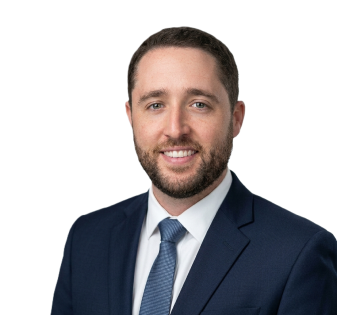
Evan Gove
Our editorial team writes on addiction, mental health, and treatment access, with every clinical claim reviewed before publication.
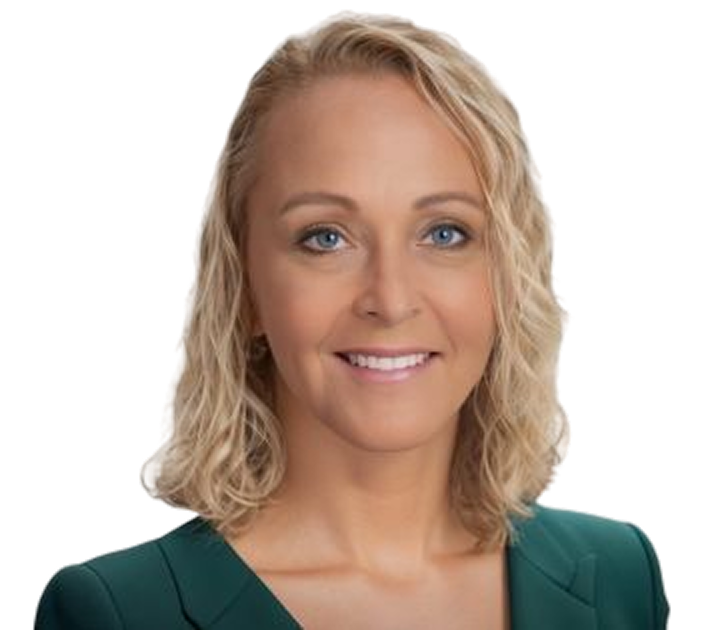
Serves as the Chief Medical Officer at Aliya Health Group’s rehab centers in California, Arizona, and Washington State. Since 2016, she has impeccably managed the medical services offered by Royal Life Centers and Vogue Recovery Centers.
You don’t have to have it all figured out. Call when you’re ready — or send us your number, and a caring admissions specialist will reach out to you.